Trending

Most people walking into a casino for the first time believe they are playing against the house. In reality, they are playing against a number. That number is called the house edge, and it is the single most important figure in gambling that almost nobody bothers to look up before sitting down at a table. Understanding it doesn't take the fun out of the night, but it does change which games you choose to sit at, and how much you are willing to feed the machine before you walk away. The gap between a savvy player and a frustrated one is rarely luck. It is arithmetic.
Every casino game carries a built-in mathematical advantage for the operator. That advantage is not a scam; it is the business model. What matters is how big that edge is, because a two percent edge and a fifteen percent edge feel identical during a hot streak and look catastrophically different over a few hundred bets.
Here is the rough house edge for the games most people actually play:
Notice the pattern. Games where your decisions matter and where you can apply strategy sit at the bottom of the list. Games that are pure chance with high payouts float to the top. The double-zero on the American roulette wheel isn't a small detail; it nearly doubles the house edge compared to the single-zero European layout. That is why serious players hunt for single-zero wheels even when the table minimums are higher.
Slots dominate casino floors for a reason. They are simple, they are fast, and they are profitable for the operator. That last point matters to you as a player because it means the payout percentages are typically lower than at table games. A slot machine running at 94 percent RTP gives back $94 for every $100 wagered, on average, across millions of spins. That 6 percent edge seems modest until you calculate how many spins a serious player will fire off in an hour.
At 600 spins per hour on a $1 bet, a 6 percent edge means an expected loss of around $36 per hour. Bump the bet to $5 and you are looking at an expected loss of roughly $180 hourly. The volatility of the machine also matters. High-volatility slots hand out rarer, larger wins, which means longer dry spells and bankroll swings that feel brutal. Low-volatility machines pay smaller amounts more frequently and suit players who want their session to last.
A few practical notes for anyone serious about slots:
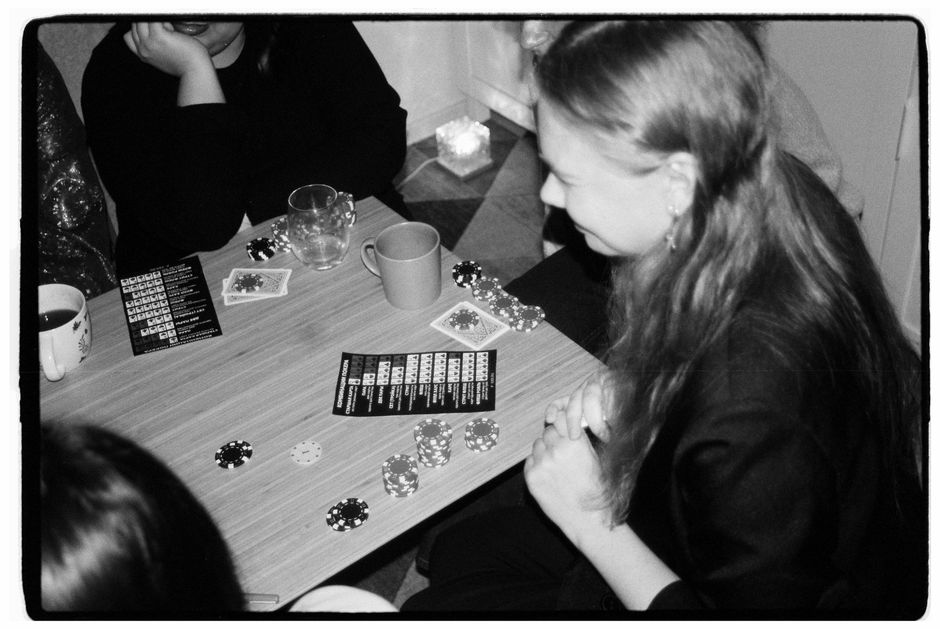
Poker breaks every rule in the casino playbook. You are not betting against the house; you are competing against other players. The casino keeps its profit by taking a small cut from each pot, known as the rake, typically between 2.5 and 10 percent depending on the room and the stakes. That means a skilled player can actually leave a poker table with a long-term profit, which is impossible at any game with a fixed house edge.
The catch, of course, is that not everyone at the table is a poker player. Tourists and casuals sit down too, and frequently leave. The gap in skill is the whole opportunity. A good player understands position, pot odds, and range reading. A tourist plays the cards they were dealt and hopes.
What separates winning players from losing ones rarely has anything to do with bluffing. It has to do with discipline. Most consistent winners:
The biggest bankroll killer in poker is not variance. It is playing stakes that are too high for your bankroll, then chasing losses with hands you know you should fold. That single behaviour destroys more players than bad luck ever could. See kqbd for a side-by-side comparison.
Sensible bankroll management is the least glamorous skill in gambling and the one that separates a hobby from a financial disaster. The principle is simple: never bet money that you cannot afford to lose, and never sit down with more than a small fraction of your total playing budget for the session.
A reasonable framework most experienced players use is the 1 to 5 percent rule. If your total bankroll for a month is $500, your average bet should sit between $5 and $25, depending on how aggressive you want to be. That lets you absorb a bad run without going broke and protects you from the temptation to chase losses with money you should be spending on rent.
Two habits matter more than any strategy:
The line between online and live gambling has blurred considerably. Online casinos today often run at higher RTPs than their physical counterparts because their operating costs are lower and competition between platforms is fierce. Offshore and regulated markets both offer everything from 97 percent payout slots to live dealer roulette streamed in real time with physical wheels on camera.
What has not changed is human psychology. Online slots use rapid spin cycles that make it easy to lose track of how much you are wagering per hour. Live dealer games, by contrast, slow everything down, which is often a good thing. Slower games give you time to think, and the more you think, the fewer mistakes you make.
Whether you are playing in a chair at a physical table or tapping your phone on the train, the fundamentals are identical. Know the house edge. Understand the game. Set limits. Walk away when they are reached. The roulette wheel does not care about your feelings, and neither should your bankroll.
At the end of the night, the only meaningful question is whether you got what you paid for. If your goal is a little entertainment and the math is priced fairly, then you won, regardless of whether the slots paid. If your goal was to beat the house, understand that the house has had a century of practice. Respect the numbers, play within them, and gambling becomes what it is supposed to be: an occasional, enjoyable expense rather than a slow leak in your finances.